The car starts, stops, and gets through the daily drive, so winter preparation slides down the list. Then the first difficult morning brings a slow crank, a streaked windshield, or a tire-pressure warning before you've left the driveway.
Cold weather often exposes wear that was already present. A pre-winter check should look for those developing problems while there is time to repair them. Review these 7 areas before snow, because poor visibility makes an ordinary fault harder to deal with.
1. A Battery That Has Started Cranking Slowly
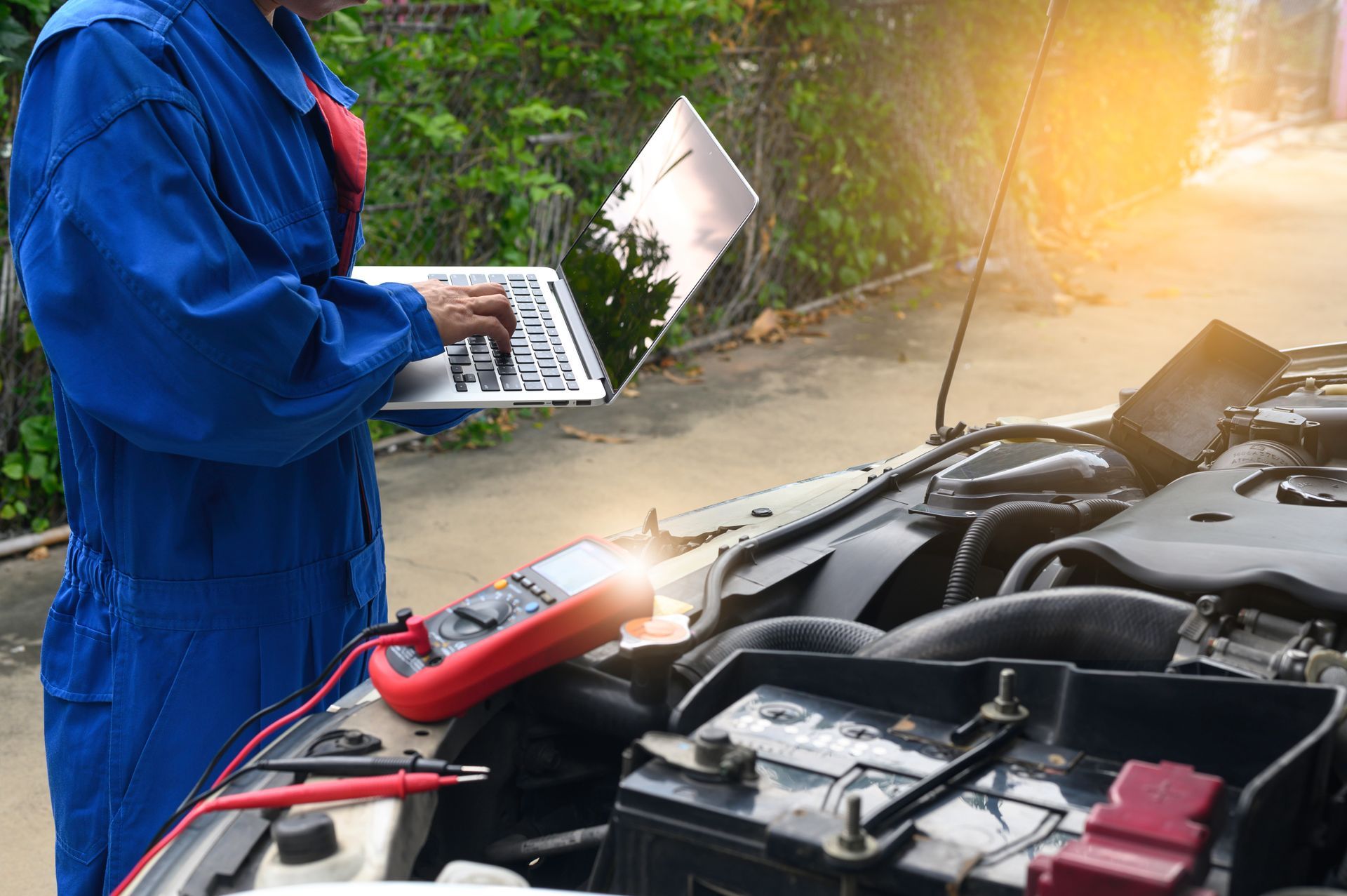
A slightly slower start is easy to accept when the engine still fires. Cold reduces a battery's available starting power while the engine takes more effort to turn. In mild weather, a battery with little reserve may struggle once temperatures drop.
Testing should include charge condition, starting performance, and the connections carrying current to the starter. A corroded cable or poor ground creates trouble even with a newer battery. Mention recent jump-starts and whether the car goes flat after parking so the check includes the pattern behind the low charge.
2. Tires With Hidden Wear or Repeated Pressure Loss
The outside tread may look healthy while the inner shoulder is nearly worn away. A tire inspection needs to consider tread width, structural condition, and age together. Cuts, bulges, exposed reinforcement, and severe uneven wear need action before winter travel.
Set cold pressure using the vehicle placard, then investigate any tire that keeps losing more than the others. Cold weather affects the whole set; one tire needing constant additions suggests a leak. Tire choice should also fit the conditions you expect. A worn tire doesn't become a winter tire simply because the car has AWD.
3. Wipers That Leave Streaks in Ordinary Rain
A streak you tolerate in daylight becomes harder to see through when headlights reflect across it. Worn blades, poor arm contact, blocked washer jets, and road film all reduce the clear area available. Check the complete sweep while safely parked.
Use washer fluid with the temperature rating needed for the conditions ahead. Summer fluid or plain water can freeze in the reservoir or lines. Test spray coverage before the forecast changes, and avoid repeatedly running a pump with no liquid to deliver because its supply is frozen.
4. A Defroster With Weak Airflow
The blower may sound busy while very little air reaches the windshield. A clogged cabin filter, blocked outside intake, weak blower, or air-door issue can reduce clearing. The heater and air conditioning functions used for defogging need to work as the vehicle's instructions describe.
Moisture inside the cabin adds another burden. Wet carpets, a water leak, or repeated coolant loss with a sweet smell needs checking. Wiping a small viewing hole in the fog isn't a substitute for a windshield that remains clear while driving. If visibility is inadequate, stop safely.
5. Brakes That Pull, Drag, or Grind
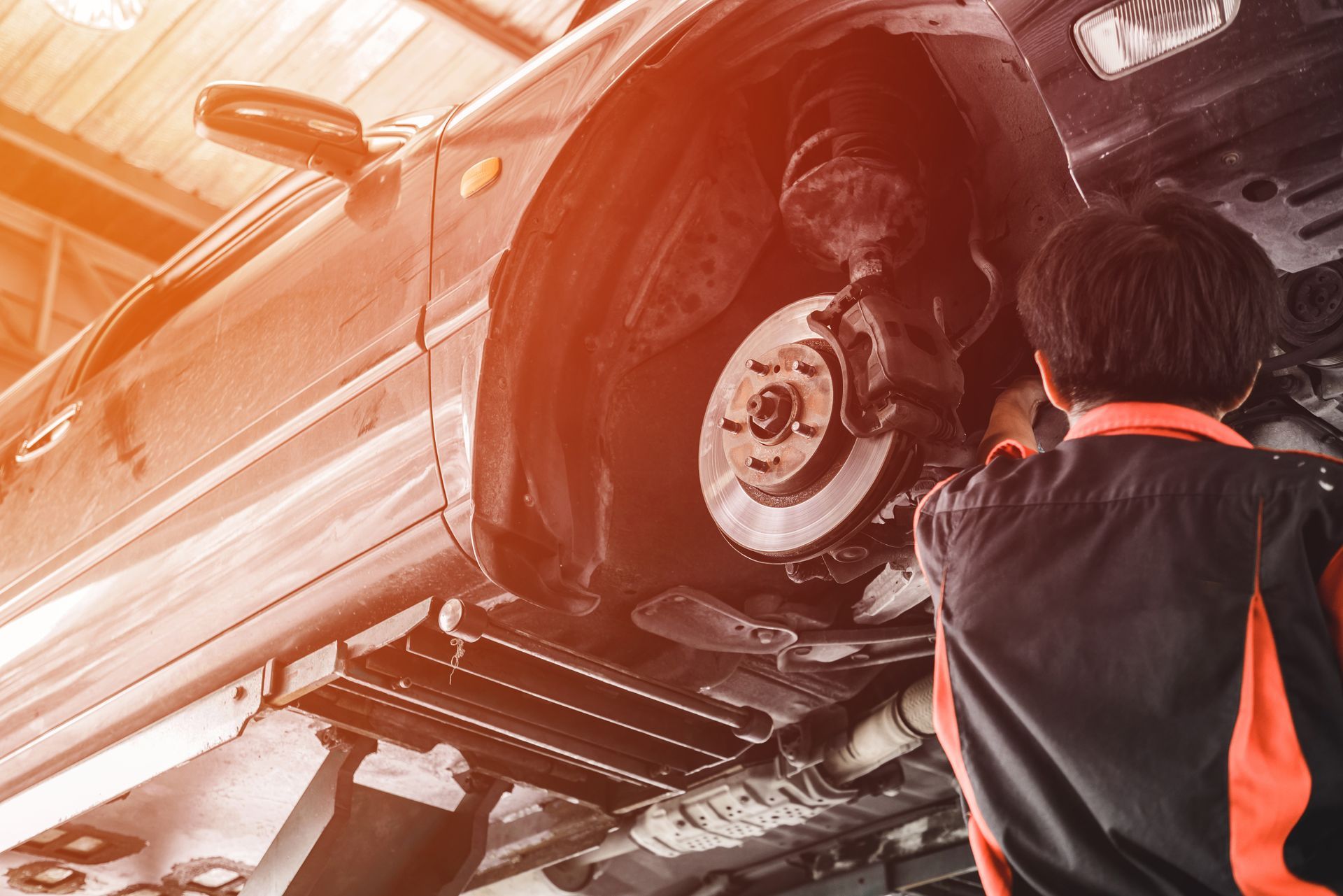
A car that stops acceptably on dry pavement may still have a sticking caliper or uneven pad wear. Those faults change how braking force is distributed, while slippery roads leave less grip to work with. Inspect the brake pads and caliper release, along with the visible rotor condition.
Reduced braking, a soft pedal, heavy grinding, or major pulling requires prompt review and may call for transport. Don't schedule around the snow forecast if the brakes already feel unsafe. The repair must address the hydraulic or mechanical fault, not just fit new pads over it.
6. Coolant Loss or Unknown Coolant Protection
A full reservoir doesn't establish freeze protection or fluid condition. Check the mixture and replacement history against the engine's requirements. Repeated top-offs also need a leak traced, even when the car hasn't yet overheated.
Hose connections, radiator seams, pump seals, and reservoirs age through repeated heat cycles. A small loss during warm weather can leave the level too low on a cold morning. Check only by the specified procedure, leave hot caps closed, and stop safely if an overheating warning appears.
7. Loose Steering or Suspension Parts
A worn joint, torn control arm bushing, or weak strut changes how the wheels respond to braking and bumps. The car may still feel manageable on a familiar route while the tires are wearing unevenly. A new clunk or extra steering correction needs a mechanical check.
Alignment comes after repairs to parts that won't hold the wheel securely. Adjusting angles around looseness won't make them remain stable on the road. Describe any curb or pothole impact and whether the handling changes when braking so the inspection follows the actual complaint.
Get Pre-Winter Vehicle Service in Parsonsburg, MD, With Seth's Auto Care
Seth's Auto Care in Parsonsburg, MD, can check starting, tire, brake, cooling, and visibility concerns before winter travel. Bring up small changes you've begun making during the daily drive.
Call us to schedule a pre-winter inspection and the repairs your vehicle needs.