The last few weeks of summer can feel like a transition period for your car. Road trips may be winding down, school routines may be starting again, and cooler weather is not far away. After months of heat, traffic, vacation travel, and heavy air conditioning use, your vehicle may be carrying more wear than you realize.
At our shop, we see late summer as an ideal time to catch up on maintenance. You are not waiting for the first cold morning to discover a weak battery, worn tire, or overdue fluid service. You are also giving your car a chance to recover from the demands of summer before fall rain, shorter days, and changing temperatures arrive.
A basic inspection now can help you avoid inconvenient repairs later. It can also reveal small problems while they are still easier and less expensive to handle.
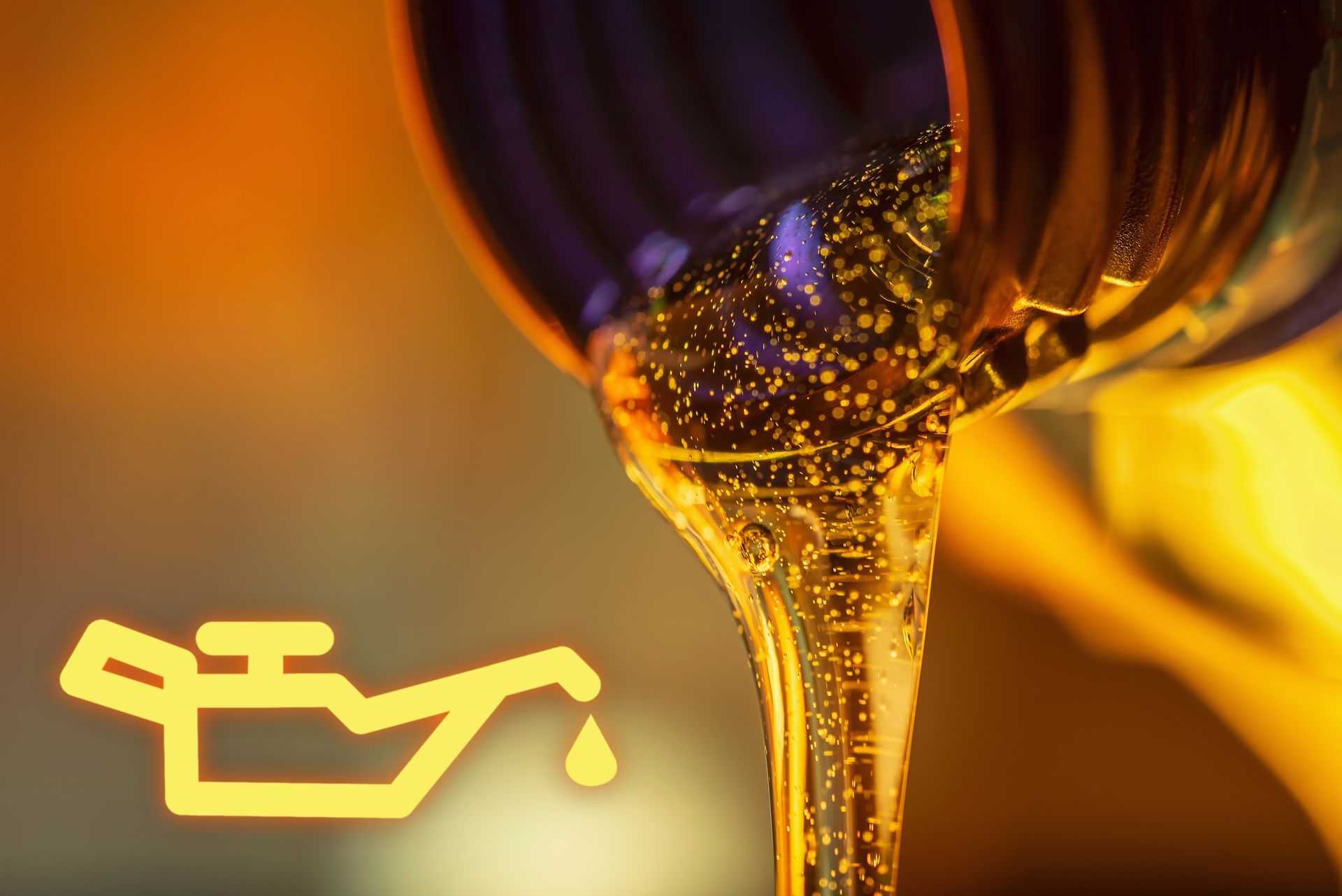
Start With An Oil And Filter Check
Engine oil works hard during hot weather. High temperatures, long highway drives, stop and go traffic, and extended idling can all add stress to the oil and engine.
Check your mileage since the last oil change and compare it with the interval recommended for your vehicle. Do not rely only on the date written on an old service sticker. Driving habits, engine type, oil quality, and mileage all affect when service is due.
If the oil level is low, the engine may not be receiving the lubrication and cooling support it needs. A low level can also point to a leak or oil consumption problem that deserves attention.
An oil change near the end of summer can give the engine fresh protection heading into the next season. During the service, we can also inspect for leaks and look for changes in oil condition that may suggest another mechanical concern.
Inspect The Cooling System
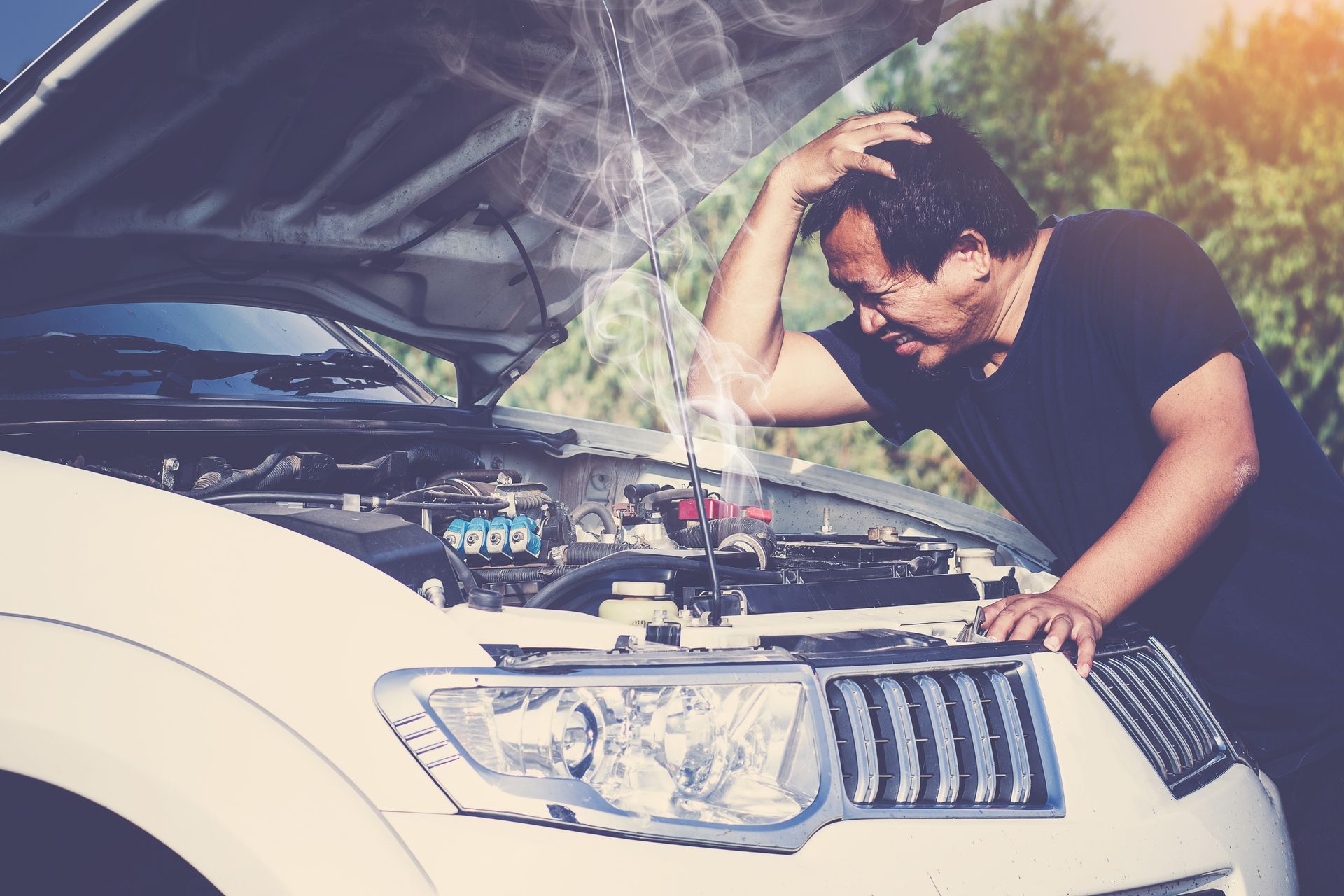
Your cooling system has likely spent the summer managing some of the highest temperatures it will face all year. Coolant, hoses, the radiator, thermostat, water pump, and cooling fans all play a role in preventing overheating.
Look beneath the vehicle for signs of coolant. Depending on the type used in your car, it may appear green, orange, pink, yellow, or another color. A sweet smell, rising temperature gauge, or coolant warning should never be ignored.
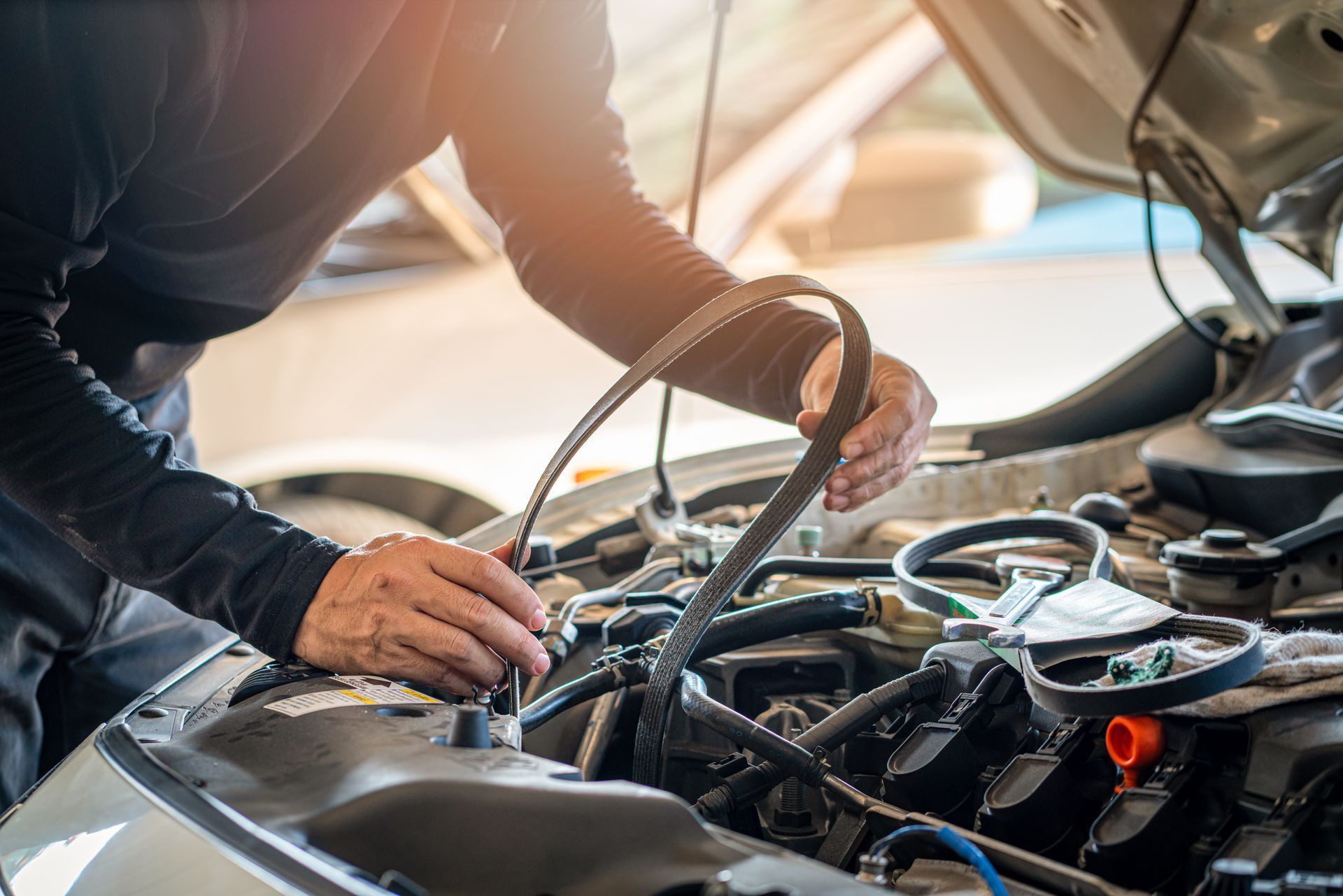
Hoses also deserve a closer look. Heat and age can cause rubber to become soft, swollen, cracked, or brittle. A hose that looks fine from a distance may feel weak near a connection or show dried coolant around the clamp.
The end of summer is a good time to check coolant strength, level, and overall condition. A cooling system that barely made it through August may not become more dependable simply because the weather begins cooling down.
Check Your Tires After Summer Travel
Long drives and hot pavement can accelerate tire wear. If you took a road trip, drove heavily during vacation season, or spent more time on the highway, your tread and tire pressure may have changed since the beginning of summer.
Inspect all four tires for low tread, uneven wear, cracks, bulges, punctures, and exposed cords. Uneven wear may point to an alignment issue, worn suspension component, or incorrect tire pressure.
Temperature changes also affect pressure. As the weather cools, tire pressure may drop, even when there is no leak. The pressure should be checked when the tires are cold and adjusted according to the vehicle manufacturer’s specification.
Do not forget the spare tire. It may have lost pressure while sitting unused, and discovering that during a roadside emergency can make an already frustrating situation worse.
Have The Brakes Inspected
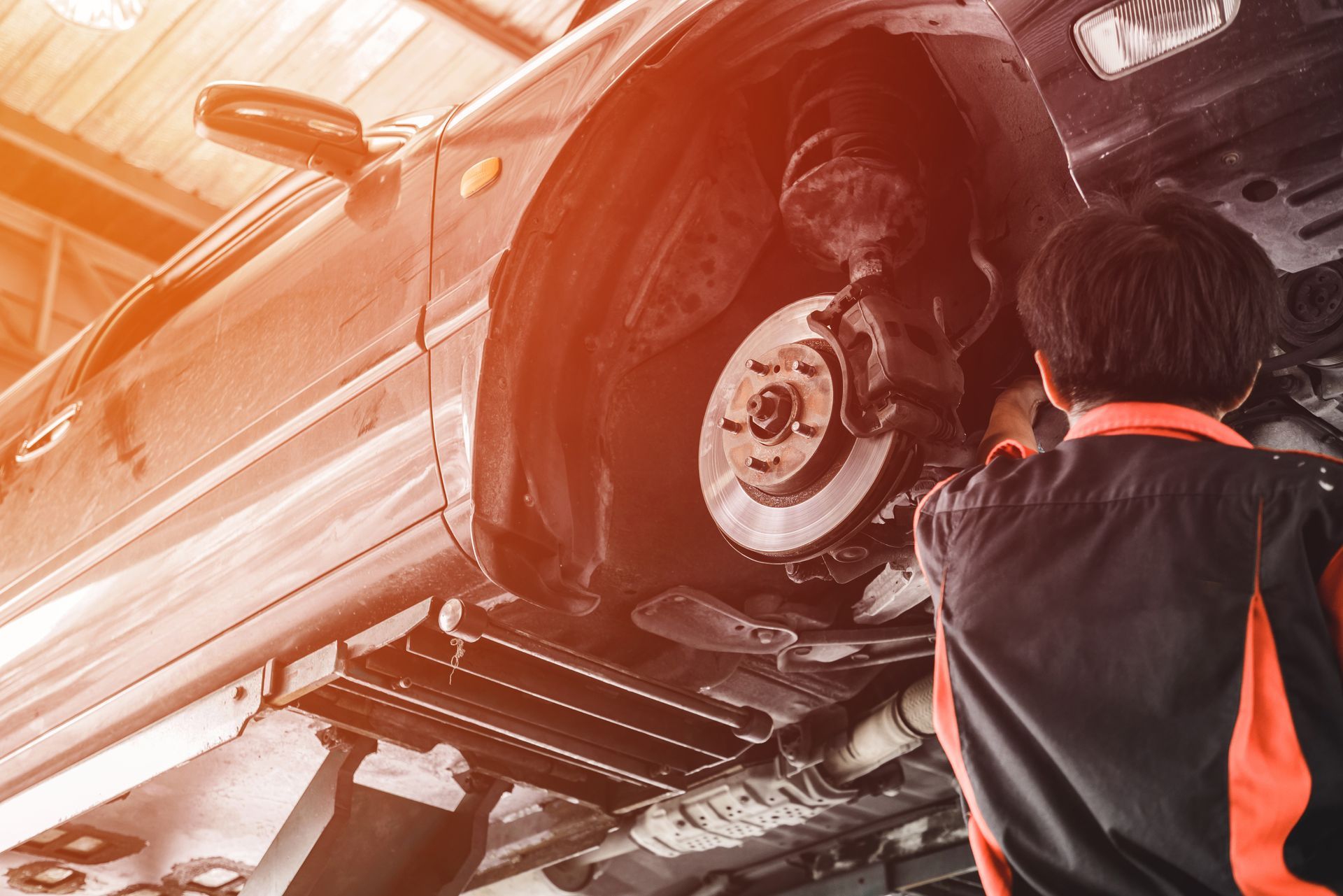
Summer driving can be demanding on brakes, especially if your trips included mountain roads, heavy traffic, towing, or a fully loaded vehicle. Brake pads and rotors may wear faster under those conditions.
Pay attention to squealing, grinding, vibration, pulling, or a brake pedal that feels different than usual. Even without obvious symptoms, a brake inspection can help identify thin pads, worn rotors, leaking components, or brake fluid concerns before stopping performance is affected.
Fall often brings wetter roads and reduced traction. Reliable brakes become even more important when rain, leaves, and changing road conditions increase stopping distances.
At our shop, we would rather measure brake wear and give you time to plan than have you wait until grinding begins. Grinding often means the repair has already become more extensive and expensive.
Test The Battery And Charging System
Hot weather can be hard on a battery, even though many drivers associate battery failure with winter. Summer heat can accelerate internal battery wear, while cooler fall temperatures may expose the weakness that developed over the previous months.
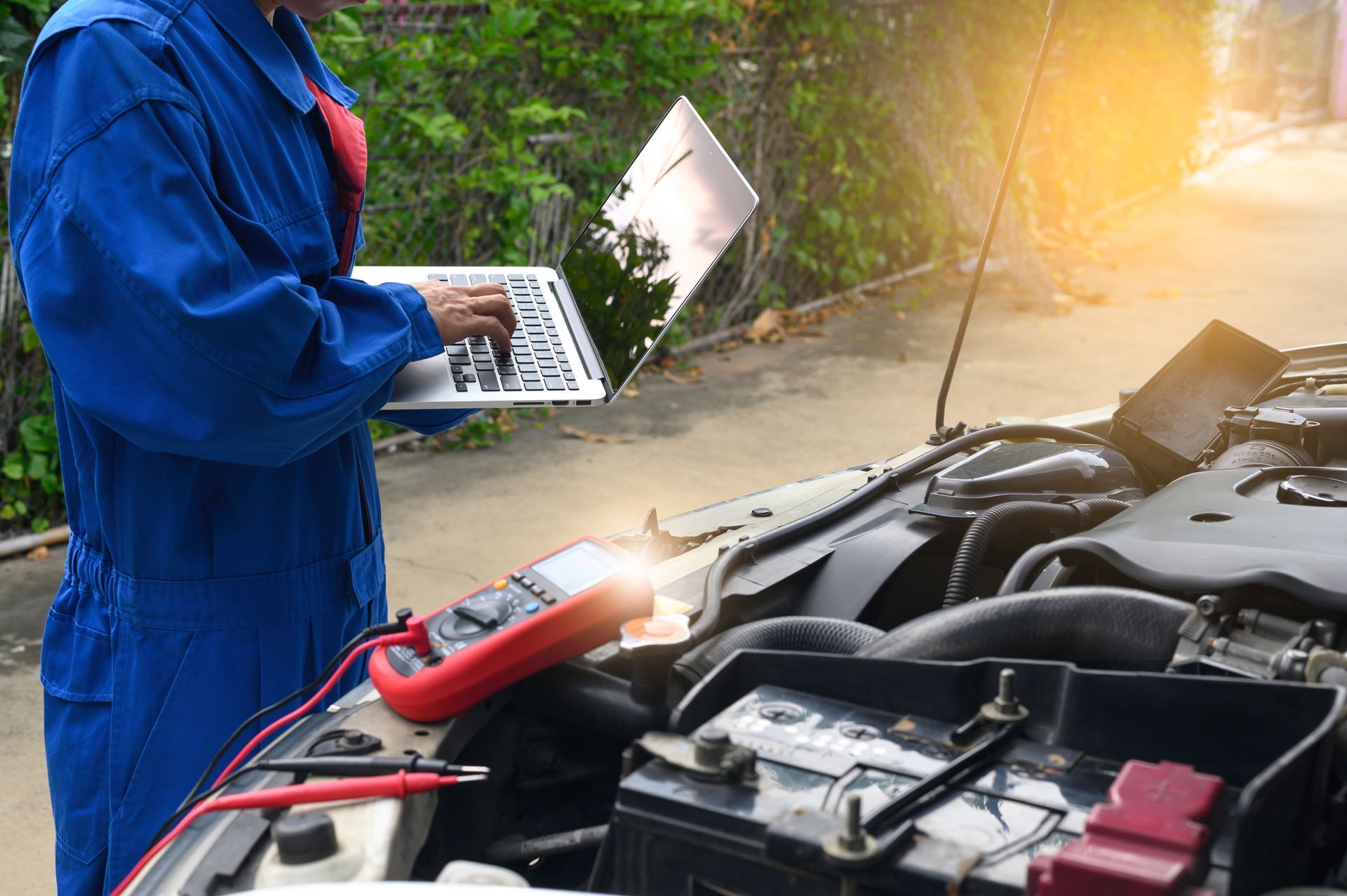
A battery may still start the engine today and be close to failing. Slow cranking, flickering lights, electrical resets, or a battery warning light are signs that the charging system should be tested.
Battery terminals should also be checked for corrosion, looseness, and damaged cables. A charging system test can help determine whether the battery, alternator, or a connection is responsible for the problem.
Testing before the weather changes gives you a chance to replace a weak battery on your schedule. It is much more convenient than dealing with a car that will not start during a busy morning.
Make Sure The Air Conditioning Still Works Properly
You may not be thinking about air conditioning once summer begins winding down, but this is actually a useful time to address any problems you noticed during the hottest months.
If the system took too long to cool, blew warm air at stoplights, made unusual noises, or produced an unpleasant smell, the issue will probably still be there next summer. Some climate control systems also use the air conditioning compressor during defrost operation to remove moisture from the air.
A weak air conditioning system may have low refrigerant from a leak, a failing compressor, electrical trouble, or a problem with the cooling fans. Simply adding refrigerant without checking for leaks may provide only temporary relief.
Taking care of the issue now prevents you from waiting until the first very hot day next year, when repair schedules are often much busier.
Replace Worn Wiper Blades
Summer sunlight and heat can dry out rubber wiper blades. By the time fall rain arrives, the blades may streak, skip, chatter, or leave sections of the windshield untouched.
Run the washer system and watch how the blades perform. If they leave a hazy film or fail to clear the glass cleanly, replacement is usually worthwhile.
Check the washer fluid level too. Make sure the nozzles spray correctly and are aimed at the windshield rather than over the roof or toward one side.
Clear visibility becomes more important as daylight hours shorten. Fresh wiper blades are an inexpensive maintenance item that can make a major difference during rain and early morning driving.
Check Exterior Lights
Late summer is a smart time to inspect headlights, brake lights, taillights, turn signals, reverse lights, and license plate lights. Drivers begin spending more time on the road after sunset as the days grow shorter.
Ask someone to help you check the lights, or use the reflection from a garage door or wall. A dim bulb may point to aging, corrosion, a poor connection, or a charging issue.
Cloudy headlight lenses can also reduce nighttime visibility. Cleaning or restoring the lenses may improve light output, but severely damaged housings may require replacement.
Good lighting helps you see the road and makes it easier for other drivers to notice your vehicle. Both become increasingly important as fall weather and earlier sunsets return.
Review Your Vehicle’s Fluid Services
Oil and coolant are not the only fluids that matter. Depending on your vehicle, the transmission, brakes, power steering, differential, and transfer case may all have maintenance intervals.
Fluid service is often overlooked because the car may continue driving normally even when a fluid is overdue. Over time, heat and contamination can reduce the fluid’s ability to lubricate, control pressure, and protect internal components.
Check your owner’s manual or maintenance records to see what is due. If you are unsure whether a fluid has ever been serviced, we can inspect its condition and review the schedule for your specific vehicle.
Using the correct fluid is essential. Modern systems can be sensitive to fluid type, so a generic product is not always an acceptable substitute.
Replace Dirty Air And Cabin Filters
Your engine air filter helps keep dirt and debris from entering the engine. A heavily restricted filter can affect airflow and performance, especially if you spent the summer driving through dusty areas or construction zones.
The cabin air filter cleans air entering the heating and air conditioning system. Pollen, dust, leaves, and debris can collect there and reduce airflow through the vents.
A dirty cabin filter may contribute to weak airflow, unpleasant odors, and extra strain on the blower motor. Replacing it can improve comfort as you begin using the heater and defroster more often.
Filters should be inspected rather than replaced automatically based on appearance from one corner. Driving environment and filter design can create very different replacement needs from one vehicle to another.
Look For Damage From Summer Road Trips
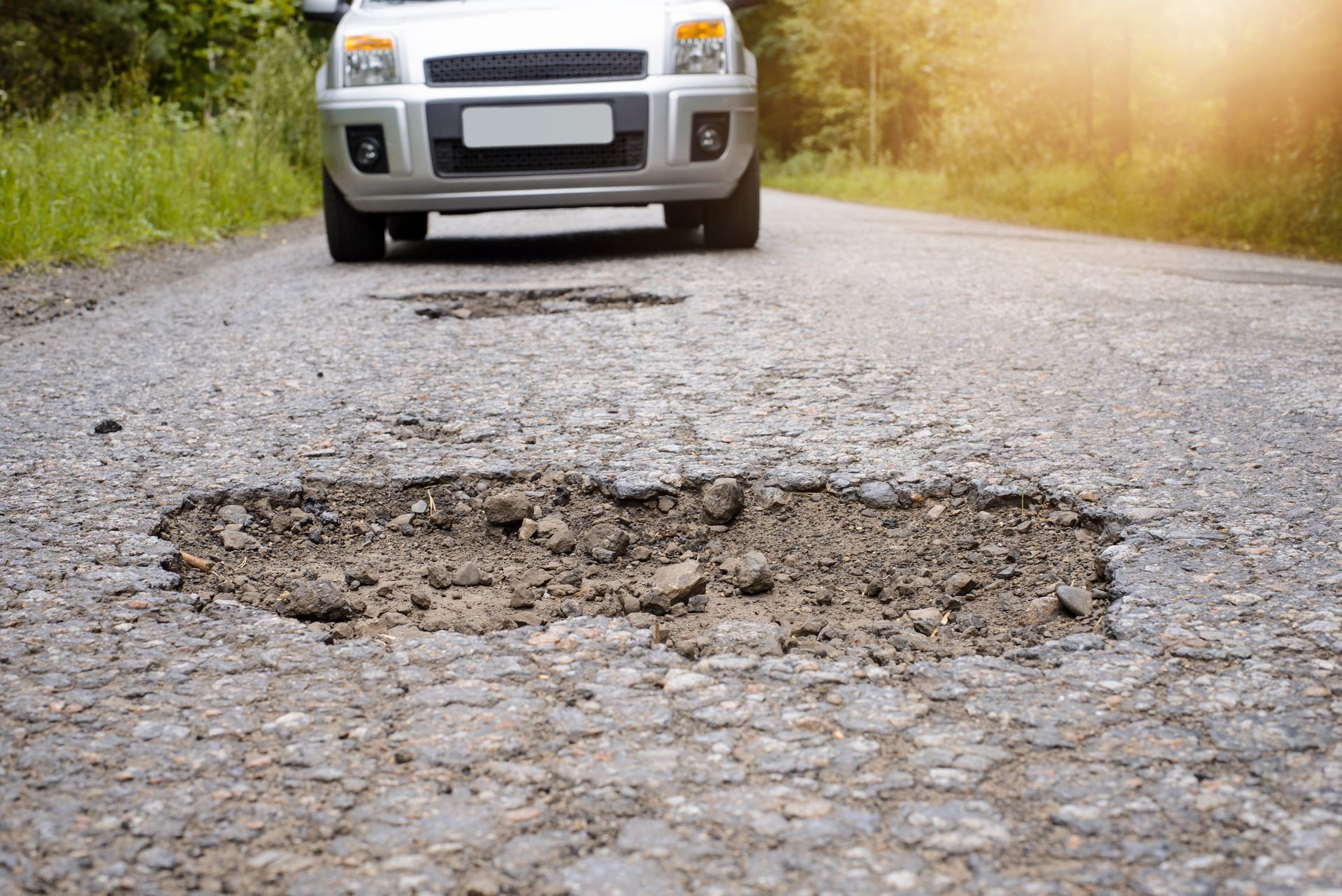
Road trips can expose a car to potholes, gravel, road debris, unfamiliar parking lots, and long stretches of rough pavement. Before summer ends, take a walk around the vehicle and look for anything that seems different.
Check for loose splash shields, damaged trim, cracked lights, chipped glass, fluid spots, and new tire damage. Listen for rattling, clunking, humming, or vibration that developed during recent travel.
Small windshield chips should be addressed before temperature changes cause them to spread. A loose underbody panel should also be secured before wind and road contact tear it farther.
Mention any new sounds or changes during your next appointment. The details you noticed during a trip can help us narrow down the inspection and identify problems more efficiently.
Prepare Now Instead Of Waiting For Fall Problems
End of summer maintenance is not about replacing every part on the vehicle. It is about checking the systems that have worked hard through the heat and preparing the car for the conditions coming next.
If your vehicle is due for service or you want to make sure it is ready for fall, bring it to
Seth's Auto Care in Parsonsburg, MD for an end of summer inspection.
Call us today to schedule an appointment and head into the next season with greater confidence.