Brake problems have a way of changing the whole drive. A quick squeal at the first stop might seem harmless. A grinding sound is harder to ignore. A pedal that feels softer than normal can make even a short trip feel uncomfortable.
The tricky part is that brake symptoms can come from several places.
Pads, rotors, calipers, hoses, hardware, and brake fluid all have a role in how the vehicle stops. When one part wears out, sticks, overheats, or stops moving correctly, the sound and feel can change quickly.
Squealing Often Starts With Brake Pad Wear
A high-pitched squeal is one of the most common brake complaints. Many brake pads have a wear indicator that makes noise as the pad material wears down. That sound is meant to warn you before the pads are completely worn out.
Squealing does not always mean the brakes are unsafe right away. Moisture, dust, surface rust, or certain pad materials can create light noise, especially first thing in the morning.
The difference is whether the sound keeps coming back. If the brakes squeal every day, squeal during most stops, or get louder over time, the pads should be checked before the rotors are damaged.
Grinding Is A Stronger Warning
Grinding usually means the brake pads have worn too far or something is dragging against the rotor. If the pad material is gone, the metal backing plate can scrape the rotor every time you brake.
That metal-on-metal contact can quickly damage the rotor. Once the rotor surface is deeply scored or overheated, replacing only the pads may not be enough.
Grinding can also happen if a brake part is stuck, rusted, loose, or contaminated with debris. Either way, the vehicle should not be driven for long with that sound. The repair usually gets more expensive the longer the grinding continues.
Rotors Can Cause Vibration And Pulsing
Brake rotors are the metal discs that the pads press against. They need to stay thick enough, clean enough, and even enough for the pads to grip properly.
If the rotors develop uneven thickness, heat spots, grooves, or pad deposits, the driver may feel vibration through the pedal or steering wheel. Many people call this "warped rotors," but the real issue is often an uneven rotor surface or thickness variation.
The shake may be more noticeable when stopping from highway speeds. It may also get worse after repeated braking, as heat makes the problem more noticeable. Rotors should be measured and inspected before deciding whether they can be reused.
Calipers Can Make Brakes Feel Strange
Calipers squeeze the pads against the rotors. They also need to release properly when you take your foot off the brake pedal. If a caliper sticks, one brake may stay partly applied.
That can create a hot smell, uneven pad wear, pulling, smoke near a wheel, or a brake that feels like it is dragging. One wheel may have more brake dust than the others because that brake is working harder than it should.
A sticking caliper can ruin new pads and rotors if the cause is not repaired. This is one reason a brake job should include more than a quick pad replacement.
Brake Fluid Affects Pedal Feel
Brake fluid transfers pressure from your foot to the brakes at each wheel. If the fluid is old, contaminated, low, or leaking, the pedal can feel soft, low, or inconsistent.
Brake fluid absorbs moisture over time. That moisture can lower the fluid’s boiling point and affect braking during hot weather or during repeated stops. A leak can be even more serious because the system may lose hydraulic pressure.
Low brake fluid should not be topped off and forgotten. It may point to worn brake pads, but it could also indicate a leak. A proper inspection can tell the difference.
Hardware And Hoses Can Change How Brakes Respond
Brake hardware helps pads move and sit correctly. Clips, shims, pins, brackets, and slide components all matter. If hardware is rusty, loose, dry, or damaged, the pads may not move the way they should.
Brake hoses can also create problems. A hose can look fine outside but fail internally. If it restricts fluid flow, a brake may not apply or release correctly.
Common signs that brake parts are not moving properly include:
- One wheel smells hot after driving
- The vehicle pulls when braking
- One pad wears faster than the others
- The pedal feels different from stop to stop
- A scraping or rattling sound comes from one wheel
- Brake dust builds up heavily on one wheel
These clues help narrow down the source before parts are replaced.
Do Not Wait For Brakes To Feel Unsafe
Brake symptoms usually start small, then become harder to ignore. A little squeal becomes grinding. A faint vibration becomes a strong shake. A small pull becomes a control problem during quick stops.
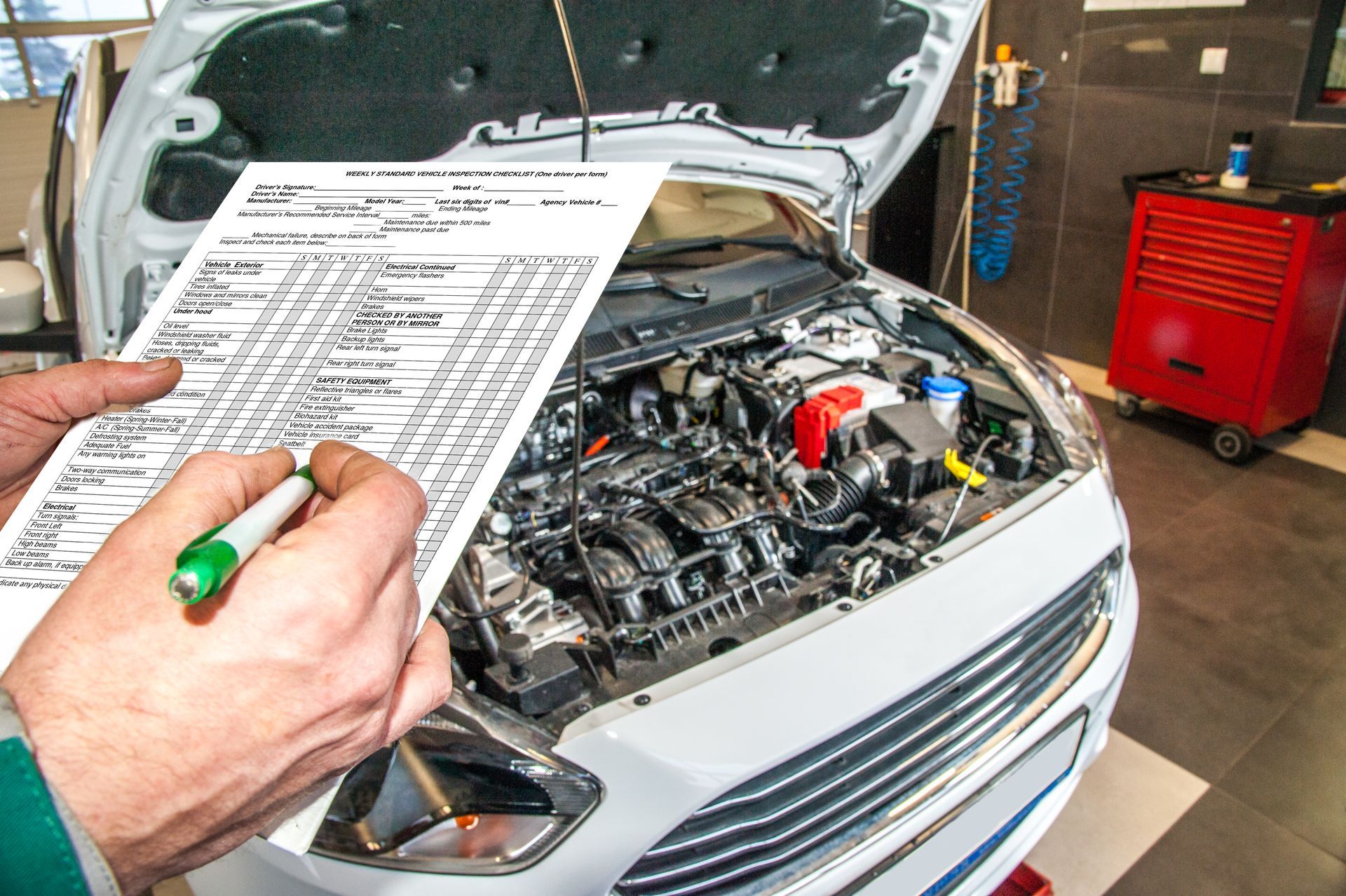
Regular maintenance helps catch brake wear before it reaches that stage. Brake pad thickness, rotor condition, caliper movement, hose condition, hardware, and fluid should all be checked together.
The goal is simple. Find out whether the brakes need pads, rotors, fluid service, caliper work, or another repair before one worn part damages the rest of the system.
Get Brake Repair In Parsonsburg, MD, With Seth's Auto Care
If your brakes squeal, grind, vibrate, pull, smell hot, or feel different at the pedal, Seth's Auto Care in Parsonsburg, MD, can check the brake system and explain what needs attention.